



In the dynamic world of vaping, the design of an OEM e - cigarette is a complex interplay of multiple factors, with heat dissipation being a critical element. As an established OEM e - cigarette supplier, I've witnessed firsthand the significance of effective heat dissipation in ensuring the optimal performance, safety, and longevity of e - cigarettes.
The Importance of Heat Dissipation in OEM E - Cigarettes
Heat is an inevitable by - product of the operation of e - cigarettes. When the battery powers the heating element, which vaporizes the e - liquid, a substantial amount of heat is generated. If this heat is not managed properly, it can lead to a range of issues.

Firstly, excessive heat can cause the e - liquid to overheat. This not only alters the flavor profile of the vapor, often resulting in a burnt taste, but can also produce harmful by - products. Overheating may break down the chemical components of the e - liquid, potentially releasing toxic substances. Moreover, high temperatures can cause the e - liquid to evaporate too quickly, reducing the overall lifespan of the e - cigarette cartridge.
Secondly, heat can have a detrimental impact on the battery. Lithium - ion batteries, which are commonly used in e - cigarettes, are sensitive to temperature. High temperatures can accelerate the degradation of the battery, reducing its capacity and shortening its cycle life. In extreme cases, overheating can even lead to battery swelling, leakage, or in rare instances, thermal runaway, which poses a serious safety risk.
Finally, from a user experience perspective, an overheating e - cigarette can be uncomfortable to hold. The heat can transfer to the outer casing, making it too hot to handle, which is a significant drawback for consumers.
Heat Dissipation Design Strategies
Material Selection
One of the fundamental aspects of heat dissipation design is the choice of materials. Different materials have different thermal conductivity properties, which determine how well they can transfer heat.
Metals, such as aluminum and copper, are excellent conductors of heat. Aluminum is lightweight, corrosion - resistant, and relatively inexpensive, making it a popular choice for e - cigarette casings. It can quickly absorb and dissipate heat from the internal components to the surrounding environment. Copper, on the other hand, has even higher thermal conductivity than aluminum, but it is heavier and more expensive. Some high - end e - cigarettes may use copper heat sinks or inserts to enhance heat transfer.
Ceramics are also used in heat dissipation design. They have good thermal stability and can act as insulators in some parts of the e - cigarette while allowing heat to be radiated away in others. For example, ceramic wicks can help manage the heat generated during the vaporization process. They can absorb and distribute heat evenly, preventing hot spots and ensuring a more consistent vaporization of the e - liquid.
Structural Design
The internal structure of the e - cigarette plays a crucial role in heat dissipation. A well - designed layout can create efficient heat transfer paths.
One common approach is to separate the heat - generating components from the battery and other sensitive parts. For example, the heating element can be placed in a separate chamber with its own ventilation system. This isolation helps prevent the heat from directly affecting the battery and other electronics.
Ventilation holes are another important feature. These holes allow air to flow through the e - cigarette, carrying away heat. They can be strategically placed on the casing to create a natural convection current. As the air inside the e - cigarette heats up, it rises and exits through the ventilation holes, while cooler air is drawn in from the bottom or other openings. This continuous flow of air helps maintain a lower temperature inside the device.
Heat Sinks
Heat sinks are passive heat dissipation devices that increase the surface area available for heat transfer. They are typically made of metal fins or pins that are attached to the heat - generating components, such as the heating coil or the battery.
The fins or pins provide a larger surface area for the heat to radiate into the surrounding air. The more surface area there is, the more efficiently the heat can be dissipated. Heat sinks can be designed in various shapes and sizes depending on the space available inside the e - cigarette and the amount of heat that needs to be dissipated.
Thermal Interface Materials
Thermal interface materials (TIMs) are used to improve the heat transfer between two surfaces. In an e - cigarette, TIMs can be applied between the heating element and the heat sink or between the battery and the casing.
These materials fill in the microscopic gaps between the surfaces, which would otherwise trap air pockets. Air is a poor conductor of heat, so eliminating these air gaps can significantly enhance the thermal contact between the components. Common TIMs include thermal greases, thermal pads, and phase - change materials.
Case Studies of Our OEM E - Cigarette Heat Dissipation Designs
We have implemented these heat dissipation design strategies in our various OEM e - cigarette products.
The Wholesale e - cigarette OEM 12000 puffs Smart screen features an aluminum alloy casing. The high thermal conductivity of aluminum allows the heat generated by the heating element and the battery to be quickly transferred to the outer surface of the e - cigarette. Additionally, it has a series of small ventilation holes on the side, which promote natural convection. The internal layout is designed to separate the battery from the heating element, reducing the heat transfer between them.
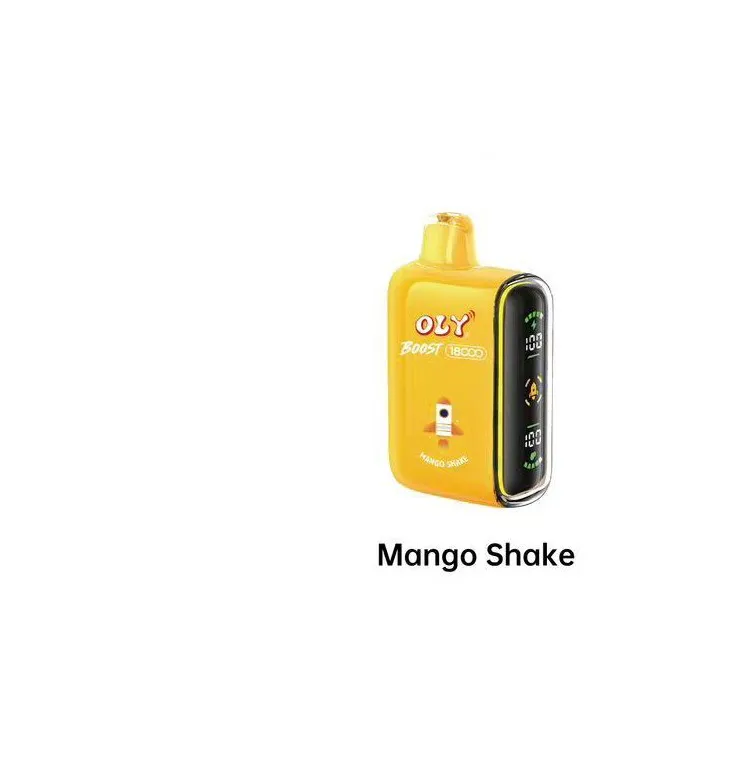
The OLY Boost 18000 Dual Full - screen e - cigarette takes heat dissipation a step further. It uses a copper heat sink attached to the heating coil. The copper heat sink efficiently absorbs the heat from the coil and distributes it across a larger surface area. The device also has a ceramic insulation layer between the battery and the heating chamber, which helps prevent the heat from reaching the battery.
Our OEM Gradient Color Mini E - cigarette is a compact yet powerful e - cigarette. Despite its small size, we have carefully designed its heat dissipation system. The outer casing is made of a special composite material that combines the lightweight properties of plastic with the heat - conducting properties of metal particles. This allows for effective heat dissipation while keeping the device lightweight and portable.
Conclusion and Call to Action
In conclusion, heat dissipation is a vital aspect of OEM e - cigarette design. Our company, as a leading OEM e - cigarette supplier, is committed to implementing the latest heat dissipation technologies to ensure the safety, performance, and user experience of our products.
We understand that every client has unique requirements, and we are dedicated to providing customized solutions. Whether you are looking for a high - end e - cigarette with advanced heat dissipation features or a cost - effective disposable e - cigarette, we have the expertise and resources to meet your needs.
If you are interested in our OEM e - cigarette products or would like to discuss a custom project, we invite you to reach out to us. We look forward to the opportunity to work with you and help you bring your e - cigarette ideas to life.
References
- Arora, P., & Zhang, J. (2019). Thermal management of lithium - ion batteries in electric and hybrid electric vehicles. Journal of Power Sources, 427, 163 - 181.
- Chung, D. D. L. (2012). Electrical and thermal conductivity of polymers and their nanocomposites. Materials Science and Engineering: R: Reports, 73(1), 1 - 59.
- Wang, H., & Zhao, C. Y. (2013). A review of thermal management technologies for electric and hybrid electric vehicles. Applied Thermal Engineering, 59(1 - 2), 244 - 253.